

Navigating the world of Advanced Placement (AP) courses can be a tricky journey, especially when it comes to the sciences. Among the most debated topics is whether it's feasible or advisable to take AP Physics C without first tackling Physics 1.
This question resonates with many high school students aspiring to excel in their academic journey, particularly those with a keen interest in physics. In this blog post, we'll dive deep into the nuances of AP Physics courses, shedding light on the key differences, challenges, and considerations that come with taking AP Physics C directly.
Whether you're a student planning your AP course load or a parent guiding your child through their academic choices, this post aims to provide clarity and direction in making an informed decision about the AP Physics path.
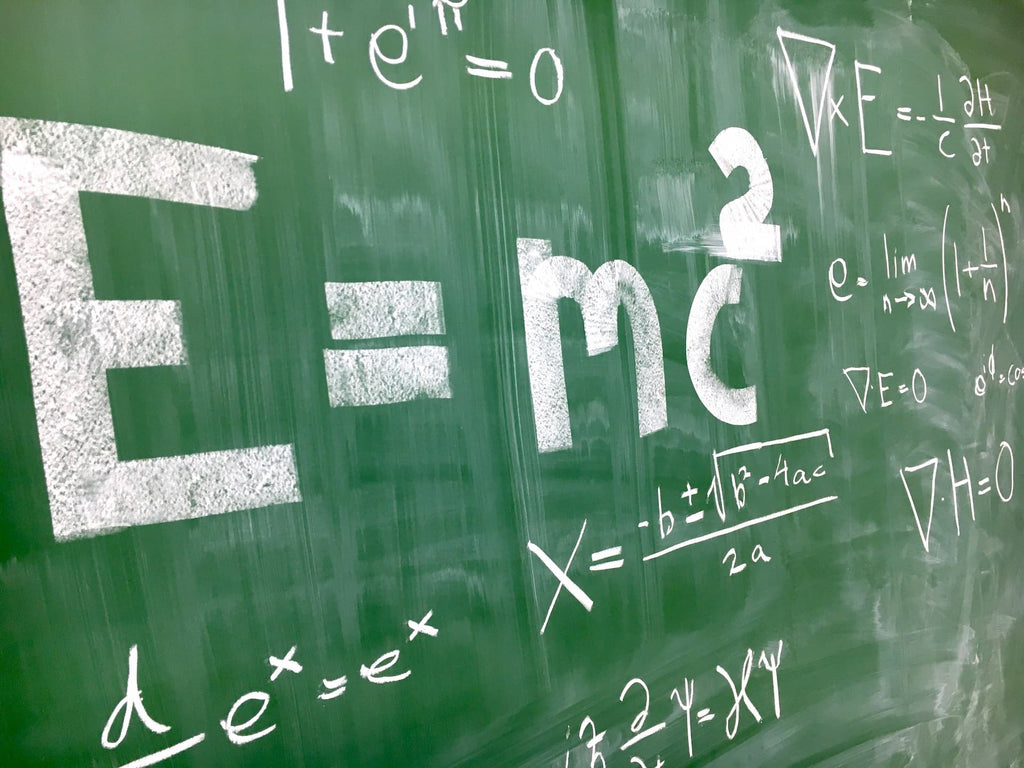
Can You Take AP Physics C Without Physics 1
Yes - but only if you already have strong physics fundamentals and are comfortable with calculus. For most students, skipping Physics 1 is risky unless they’ve taken a prior physics course and are enrolled in (or completed) Calculus AB or BC.
If you're unsure, keep reading - we'll break down exactly who should and shouldn’t skip.
Can I Skip AP Physics 1?
Technically, yes. AP Physics C does not have AP Physics 1 as a mandatory prerequisite. However, it's important to note that AP Physics C is calculus-based and assumes a certain level of mathematical maturity and physics understanding.
RELATED: Is AP Physics Hard? (1, 2, and C)
If you have a strong foundation in calculus and a basic grasp of physics concepts, you might be able to handle the jump. But for most students, AP Physics 1 serves as a valuable stepping stone, introducing key physics concepts in a more accessible, algebra-based context.
What many students don’t realize is that AP Physics 1 builds conceptual understanding. Physics C moves faster and assumes you already understand forces, motion, and energy at a deep level.
Is Physics C Harder than Physics 1?
In terms of complexity, AP Physics C is generally considered more challenging than AP Physics 1. This is primarily due to two factors:
- The calculus-based approach of Physics C
- Its in-depth exploration of mechanics and electricity & magnetism
AP Physics 1, on the other hand, is algebra-based and covers a broader, more general range of physics topics. The choice between the two should depend on your comfort level with calculus and deep physics concepts.
Is AP Physics C Considered a Hard AP Course?
AP Physics C is often ranked as one of the more challenging AP courses offered. It demands not only a good understanding of physics but also a strong grasp of calculus. The course delves deeply into complex concepts and requires students to apply calculus to solve physics problems.
That said, it's also highly rewarding and regarded as a prestigious course, especially for students planning to pursue STEM fields in college.

What Does AP Physics C Cover?
AP Physics C is divided into two distinct courses, each with its focus area:
- Mechanics
- Electricity & Magnetism
Understanding what each part covers is crucial for students considering this advanced course.
AP Physics C: Mechanics
This part of AP Physics C delves deep into the laws of motion and forces, the concepts that form the foundation of classical mechanics.
Topics covered include:
- kinematics (motion in one and two dimensions)
- Newton’s laws
- Work, energy and power
- Systems of particles
- Linear momentum
- Rotational motion
- Angular momentum
- Gravitation
The course demands a strong application of calculus throughout, making it both challenging and intellectually stimulating. If you struggled with motion, forces, or energy in a prior class, skipping Physics 1 may make Mechanics overwhelming.
AP Physics C: Electricity & Magnetism
Electricity and Magnetism, the second part of AP Physics C, explores the electric and magnetic fields and their interactions.
Core topics include:
- Electrostatics
- Conductors
- Capacitors
- Dielectrics
- Electric circuits
- Magnetic fields
- Electromagnetism
Like Mechanics, this course is calculus-intensive and requires students to apply differential and integral calculus to solve various physics problems. This course is particularly beneficial for those interested in pursuing engineering or physics in higher education, as it lays the groundwork for understanding the principles behind modern electrical technologies.
Who Should Skip AP Physics 1?
You might consider skipping Physics 1 if:
- You already completed Honors Physics with strong grades
- You are currently taking or have completed AP Calculus AB or BC
- You consistently perform well in math-heavy problem solving
- You plan to major in engineering, physics, or applied math
- You are comfortable learning independently at a fast pace
Who Should NOT Skip AP Physics 1?
You should strongly consider taking Physics 1 first if:
- You have never taken a physics course before
- You struggle with multi-step math problems
- You are not yet enrolled in calculus
- You prefer conceptual learning before diving into applications
- You want to build confidence before tackling advanced physics
Choosing the Right AP Physics Course For You
Deciding which AP Physics course to take is a significant decision that depends on your academic background, interests, and college aspirations. Here’s some guidance to help you make an informed choice.
When Should You Take AP Physics C: Mechanics?
AP Physics C: Mechanics is best suited for students who have a strong foundation in physics and calculus. Ideally, you should consider taking this course if:
- You've Completed a Basic Physics Course: A solid understanding of fundamental physics concepts, which can be gained from a course like AP Physics 1, is crucial before tackling the more complex topics in AP Physics C.
- You're Comfortable with Calculus: Since the course applies calculus to physics problems, having completed (or being concurrently enrolled in) Calculus AB or BC is highly recommended.
- You Have a Strong Interest in Physics or Engineering: This course is particularly beneficial for students planning to pursue a STEM field in college. It provides a rigorous foundation that will be valuable in higher education.
- You're Looking for a Challenge: If you thrive in academically demanding environments and are seeking to push your boundaries, AP Physics C: Mechanics can be a rewarding choice.
Remember, the best time to take AP Physics C: Mechanics is when you feel confident in your math and basic physics skills. This course is not about just getting through; it's about deeply understanding complex concepts that are fundamental to the fields of physics and engineering.
Conclusion
Deciding whether to take AP Physics C before AP Physics 1 is a nuanced decision that depends on your individual academic strengths and future goals. While it's technically possible to jump straight into AP Physics C, it's not typically recommended for most students. Here’s a summary to consider:
- Preparation and Prerequisites: AP Physics C is intensive and assumes a strong background in both physics and calculus. If you're already comfortable with these subjects, you might be well-prepared for the challenge. Otherwise, AP Physics 1 is a more accessible starting point, offering a foundational understanding of physics concepts in an algebra-based context.
- Academic and Career Aspirations: If you're aiming for a career in physics, engineering, or a related STEM field, AP Physics C offers rigorous preparation that can give you an edge in your future studies. However, if your interest in physics is more general, AP Physics 1 might be a better fit.
- Personal Interest and Strengths: Reflect on your personal interests and academic strengths. If you're enthusiastic about challenging yourself with advanced topics in physics and have a strong grasp of calculus, AP Physics C could be a rewarding experience.
In conclusion, while AP Physics C is an advanced course that provides a strong foundation for STEM-focused students, it's important to assess your readiness and interests before making the leap.
AP Physics 1, offering a broader introduction to physics, might be a more suitable choice for many students. Ultimately, the best approach is to consult with your teachers, evaluate your academic strengths and interests, and choose the path that aligns best with your educational and career aspirations.
Looking for more information about AP Physics?
Download our comprehensive class guide by clicking the thumbnail below, or visit our AP Physics page to learn more about tutoring support.